
Last week's midterm elections changed the math at both the federal and state level in the United States. Democrats won control of Congress and picked up governorships, attorney general offices, and legislative chambers across the country.
That matters for our industry, since 92% of the bills targeting the adult industry have been sponsored by Republicans. But it’s not a panacea. While Democrats rarely make porn a legislative priority, and have blocked AV bills in a number of states, they've often voted for age verification and failed to stand up for banking fairness.
As ever, what this election means for the adult entertainment and pleasure products industries will come down to the specifics.
Congress
As of November 12, Democrats have won majorities in both chambers: 55-44 in the Senate, with two seats still being counted, and 255-168 in the House, with 13 races not yet called. Neither majority is veto-proof, so the Trump administration is still a deciding factor on legislation and much of the regulatory agenda.
Committees
While they don’t get as much attention as individual members or leadership, committees (and committee chairs) are some of the most powerful players on Capitol Hill. They decide what bills get heard, what gets voted on, and can push for or quietly kill legislation. At both the state and federal level, we focus much of our attention on committees.
Right now, Democrats are deciding who will chair the legislative committees that decide which legislation will even be considered.
Sen. Elizabeth Warren (D-MA) is in line to chair Senate Banking, and Rep. Maxine Waters (D-CA) is in line to chair House Financial Services. HFS is a key committee for banking fairness bills, and we have been engaged with both chairs and many members of the committee. We believe both understand our issues.
The committees that hear age verification bills – House Energy and Commerce and Senate Commerce – will see turnover in the wake of this election. While the current Ranking Members of those committees (Rep. Frank Pallone and Sen. Maria Cantwell) are expected to take the gavel, the rank-and-file membership will change substantially.
At least 7 of the House E&C Republicans and 3 Democrats will not be returning in 2027.Two key Republicans are also leaving: Sen. Cynthia Lummis (R-WY), a cosponsor of the device-based Digital Age Assurance Act, is retiring, and Sen. Marsha Blackburn (R-TN), KOSA's lead Republican champion, is headed to the Tennessee governor's office.
While members of both parties have advanced age-verification legislation, in the previous Congress, Democrats were more concerned about potential privacy risks and looked, in general, for narrower solutions. Republican legislation, such as the SCREEN Act, which received a Senate Judiciary Committee hearing in August, is unlikely to advance in the new Congress. Kids online safety is still at top priority for both parties, but there are fundamental disagreements as to the approach, both between the parties and between the House and Senate. As such, we believe that Kids online safety legislation (such as KOSA) is unlikely to pass before January. The House and Senate still disagree over KOSA's duty of care, and most observers expect the fight to carry into the next Congress.
We expect must-pass bills of 2027, including government funding and the debt ceiling, will be some of the first to move through a Democratic Congress.
New faces to watch
There could be over 100 new members in Congress next year, but only a few have a track record – or even public statements – on our issues.
Age Verification
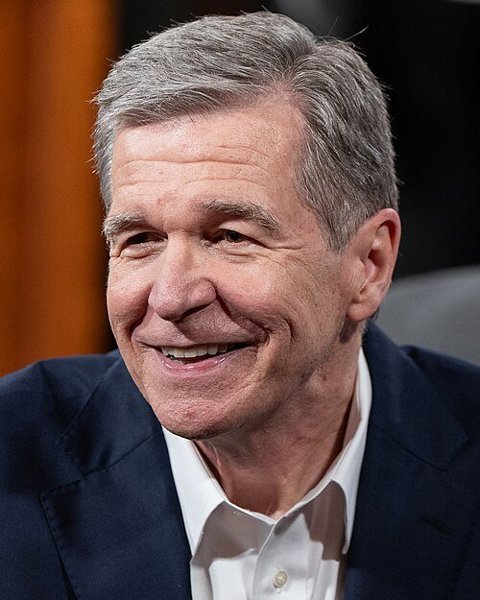
Roy CooperSenate · NC
As governor, he signed North Carolina's age verification law, calling it important "to help protect children from online pornography"
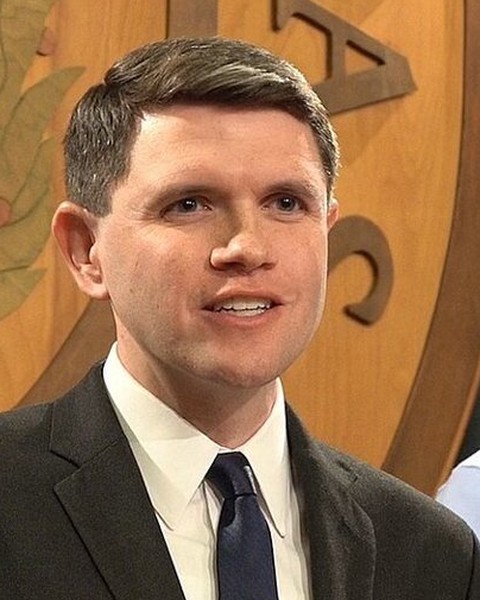
James TalaricoSenate · TX
Voted yes on Texas HB 1181, the age verification law at the center of FSC v. Paxton

Josh TurekSenate · IA
Voted yes on Iowa's age verification law
Jacqui IrwinHouse of Represenatives · CA
Voted yes on California's adult-site age verification bill and device-based social media AV law
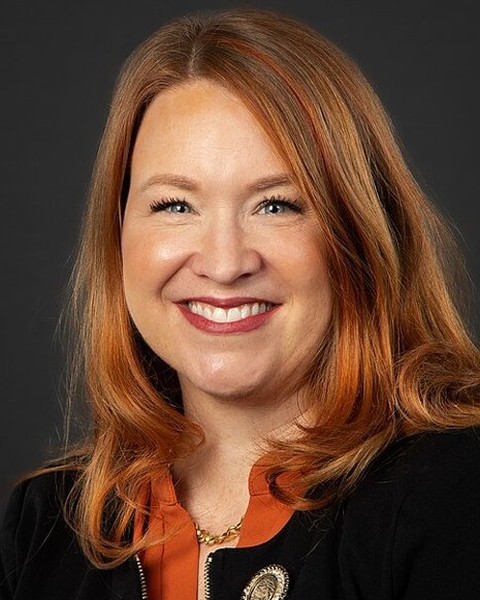
Lindsay JamesHouse of Represenatives · IA
Voted yes on Iowa's age verification law
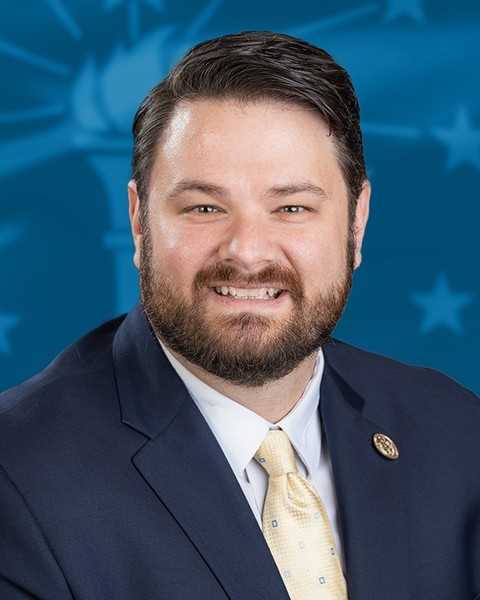
J.D. FordHouse of Represenatives · IN
Voted yes on Indiana's age verification law for adult sites.

Scott WienerHouse of Represenatives · CA
Voted yes on California's device-based social media AV law

Mike McGuireHouse of Represenatives · CA
Voted yes on California's device-based social media AV law
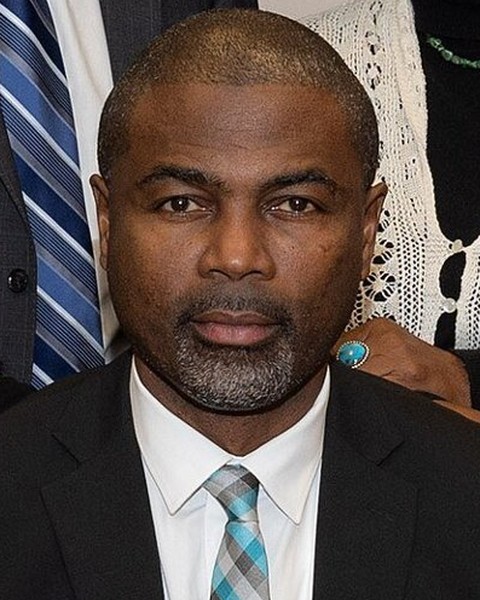
La Shawn FordHouse of Represenatives · IL
Voted yes on a bill requiring age checks at the device and platform level for social media
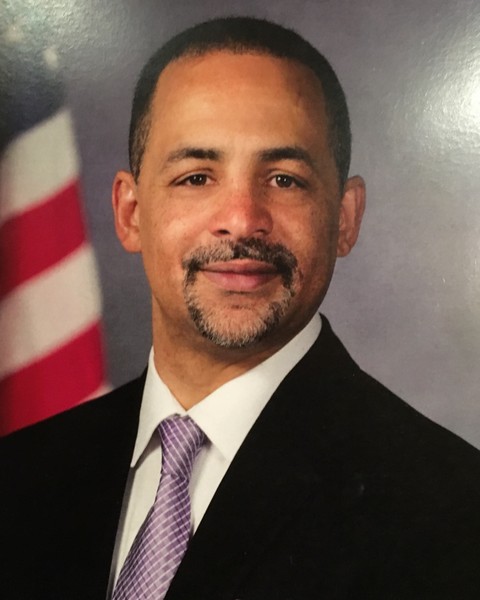
Chris RabbHouse of Represenatives · PA
One of only 7 Democrats who voted no on an AV bill for social media
Sex Work

Teresa Benitez-ThompsonHouse of Represenatives · NV
Voted for a bill that created the crime of "advancing prostitution" and raised penalties for living off a sex worker's earnings

Brad LanderHouse of Represenatives · NY
Pledged in 2021 to advocate for sex work decriminalization and audit the NYPD Vice Squad over harassment of sex workers and trans people

JoAnna MendozaHouse of Represenatives · AZ
Told an Arizona LGBT group in 2020 that she would fight to "decriminalize sex work"
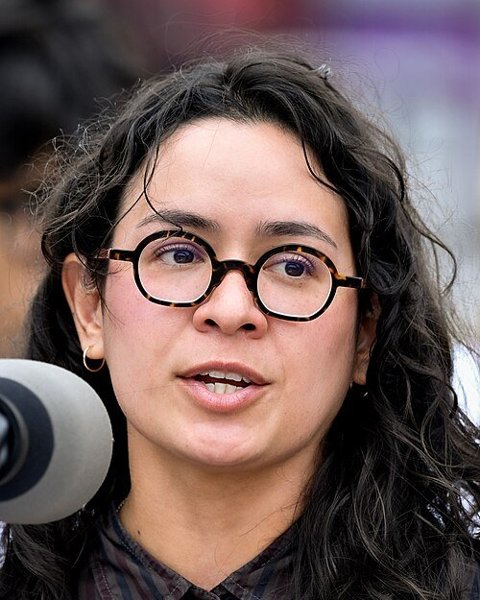
Claire ValdezHouse of Represenatives · NY
Cosponsored New York's full decriminalization bill

Troy JacksonSenate · ME
Supported a bill that decriminalized selling sex but kept buyers criminally liable (similar to the Nordic model)
Scott WienerHouse of Represenatives · CA
Authored bills to protect sex workers from being charged for loitering and protect sex workers who report crimes
Chris RabbHouse of Represenatives · PA
Wrote Pennsylvania's 2020 ban on police sexual activity with people in custody
Privacy and Free Expression

Victoria BroderickHouse of Represenatives · TN
Platform included "Protect Your Privacy in the Age of New Technology" and "Keep the federal government out of your personal decisions."

Sam ForstagHouse of Represenatives · MT
Former ACLU of Montana organizer and lobbyist, and also lobbied for the Montana Library Association
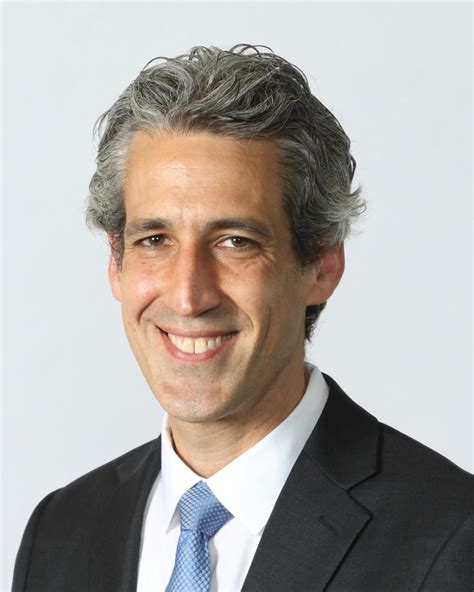
Daniel BlissHouse of Represenatives · CA
Chief sponsor of a 2015 Illinois data breach and privacy bill covering biometric and location data
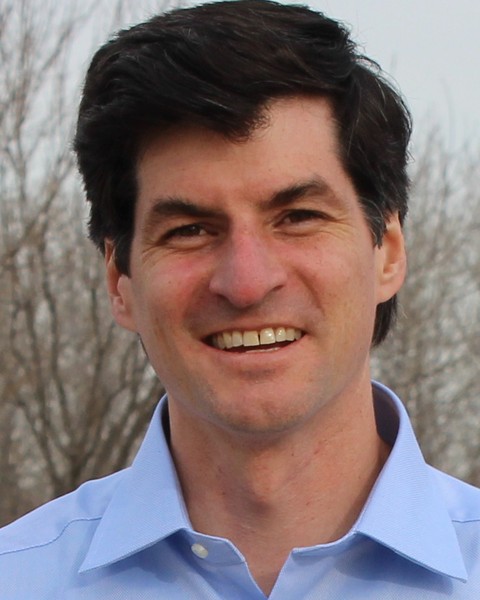
Matt LittleHouse of Represenatives · MN
Co-authored a 2019 internet privacy bill as a state senator
The States
A number of state legislatures shifted to the left in the last election, giving us potential opportunities to advance effective, device-based legislation at the state level.
Democrats have often voted for Republican-led age-verification bills, they’ve rarely been the driving force. Of the 26 states that have passed age-verification legislation, all but one (Virginia) has had a Republican-controlled legislature.
Legislation
As of next year, all remaining states (those that have yet not passed an age-verification bill for adult material), have Democrat-controlled legislatures. All but two also havea Democratic governor. While this reduces the risk of additional platform-based age-verification bills, it does not eliminate it. We’ve seen Democrats in multiple states (including Washington, New Jersey, New Mexico and Delaware) introduce age-verification bills in previous years. However, the new landscape opens the door for conversations for more effective, device-based solutions. A few examples:
Wisconsin: Democratic Governor Tony Evers vetoed the Republican legislature's age-verification bill last session, calling for a device-based solution. The WI legislature has flipped from Republican to Democrat, and we are working to advance a device-based solution.
Pennsylvania: Last session, a Republican-led effort to pass platform-based age-verification came very close to passing the Senate. We have reason to believe the newly Democratic Senate will be more amenable to a device-based bill.
And in states which have previously passed age-verification bills, we may have the ability to pass legislation adding a device-based option for compliance.
Enforcement
Attorneys general matter a lot for our industry, since they enforce most state age verification laws. Texas Attorney General Ken Paxton, one of the most aggressive enforcers, gave up the office to run for Senate and Democrat Nathan Johnson won the open seat.
Kansas AG Kris Kobach was beaten by Chris Mann, who criticized Kobach's office for its focus on "grabbing headlines and scoring political points" and saying that "culture wars have no place in the AG’s office."
While we should be vigilant and continue to comply with all relevant laws, the risk of harassment in these states may be lower. (AGs in Florida and Indiana remain in power, and we expect their aggressive posture to continue)
We often joke that our industry is politically homeless, meaning that neither major party is interested in publicly defending our rights. While that’s at least partly true, the more aggressive attacks on our industry in the US have traditionally come from the political right. Hopefully, the midterms mark a shift from culture war issues toward a discussion of more substantive solutions. Regardless of the political wins, FSC will be at the table, fighting for our rights and helping build effective solutions to the issues that affect our members..